41 cholesterol on food labels
How to Tell if Foods Are Low or High Cholesterol - Verywell Health Each food label should include milligrams (mg) of cholesterol per serving. Don't forget to look at the serving size as well. Sometimes products can seem low in cholesterol, but if you eat more than the recommended servings at one sitting, then you can end up consuming a lot more cholesterol than you intended. Low Cholesterol Food Service Medical Labels - Free Shipping Low Cholesterol Food Service Medical Labels. In stock. item #. LV-MFSL35. list price $25.30. $8.60 Save $16.70 or 66%. Buy more and save even more. Buy 3 Rolls for $6.66 each and save 23%. Buy 12 Rolls for $6.10 each and save 29%.
What do cholesterol-free and low-cholesterol food labels mean? - Sharecare American Diabetes Association Cholesterol free means that the food must contain fewer than 2 milligrams of cholesterol and 2 grams or less of saturated fat per serving. For example, although vegetable oils contain no cholesterol, they are 100% fat. Vegetable oils are still preferable to butter or lard because they have less saturated fat.
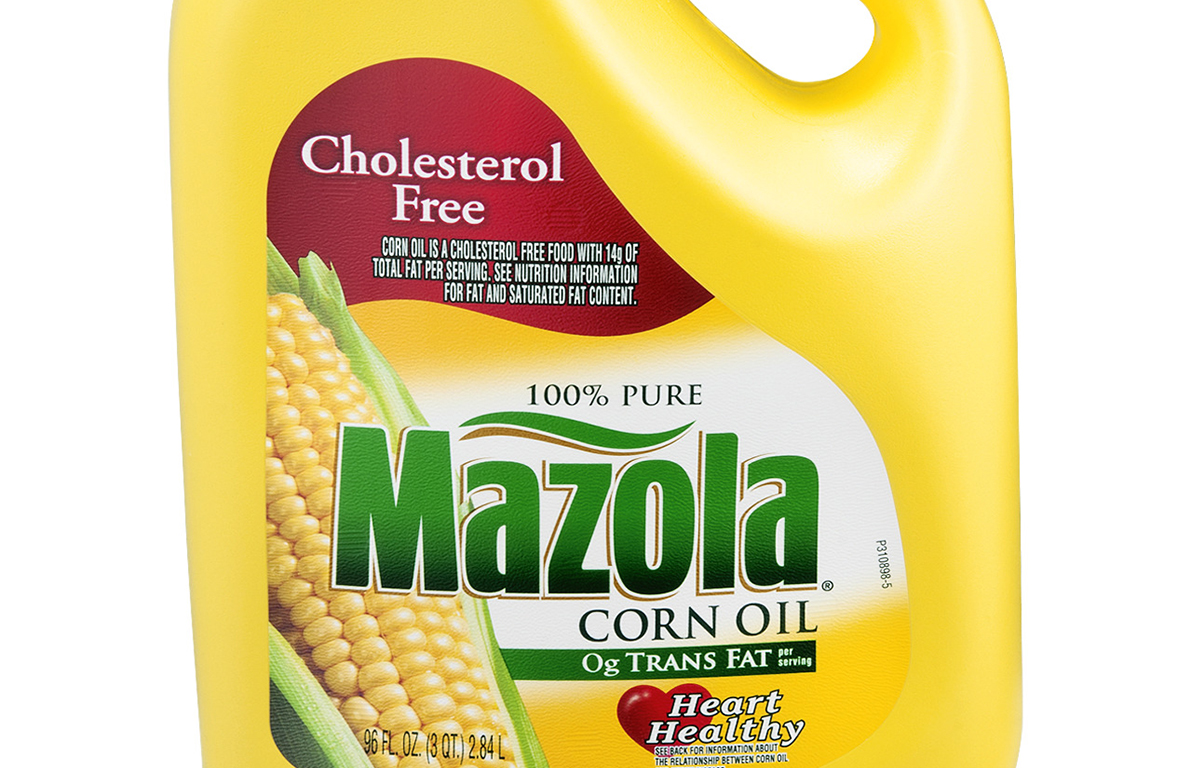
Cholesterol on food labels
How to Understand and Use the Nutrition Facts Label | FDA Dietary fiber, vitamin D, calcium, iron ad potassium are nutrients on the label that Americans generally do not get the recommended amount of. They are identified as nutrients to get more of.... Learn About Cholesterol Free Food Labels | Chegg.com Item labels offer information, including the amount by portion, on the fats and cholesterol level of food. Choose the one with the fewest amounts of fat and cholesterol to compare the same items. Panel on 'nutrition facts': Food producers have been required since 1994 to disclose information on some nutrients of major public interest. Reading Food Labels | ADA - American Diabetes Association Understanding Food Labels It's time to decode those food claims. Trying to figure out nutritional information on labels and packaging isn't easy. The good news is that we can help. Untangle packaging claims. If you get tripped up on food content claims, you're not alone. Fat free vs. low fat vs. reduced fat. Low cholesterol vs. reduced cholesterol.
Cholesterol on food labels. PDF Interactive Nutrition Facts Label - Cholesterol And remember: • 5% DV or less of cholesterol per serving is considered low • 20% DV or more of cholesterol per serving is considered high o Try seafood and plant sources of protein (such as beans,... Should I check the cholesterol on nutrition labels? Major dietary cholesterol contributors — meat, fish, and chicken — often have no label. Having less than 4-6 oz of those per day and less than 2-4 eggs per week will generally keep your cholesterol reasonable. And that's a smart idea anyhow, to leave room for more artery-friendly fruits, veg, whole grains, beans, nuts, seeds, etc." Easy Guide to Understanding Food Labels When You Have High Cholesterol ... This means that your food may contain trans-fat even if the food label says 0 gram. Therefore it's important to check the ingredient list (more on this later). Cholesterol guidelines currently recommend having not more than 300 milligrams of cholesterol per day, and if you have heart disease, aim for less than 200 milligrams per day. 2. How Much Cholesterol Should I Have Per Day? - Healthline Nutrition labels on foods tell you how much of each nutrient or fat is in the item, based on the recommended serving size. The numbers and percentages are written for a 2,000 calorie/day diet. You ...
How to Read the Nutrition Facts Label on Packaged Foods - WebMD You've seen nutrition labels on food packages. They can help you manage your weight and conditions like type 2 diabetes, high blood pressure, and high cholesterol. You just have to know what to... Cholesterol Content of Foods | Patient Education | UCSF Health Call us: (888) 689-8273 Patient Education Cholesterol Content of Foods If you have risk factors for heart disease, you should not consume more than 200 milligrams of cholesterol a day. If you do not have risk factors for heart disease, you should limit your cholesterol intake to no more than 300 milligrams a day. How To Read Nutrition Labels - Mayo Clinic Diet The % Daily Value (DV) tells you how much a nutrient in a serving of food contributes to a daily diet. 2,000 calories a day is used for general nutrition advice. Low is 5% or less. Aim for low in saturated fat, trans fat, cholesterol, sodium, and added sugars. High is 20% or more. Aim high in vitamins, minerals and dietary fiber. 4. Food Labels: Fat & Cholesterol | Home & Garden Information Center Limit these sources of unhealthy fat and cholesterol in the list of ingredients: animal fat (beef, ham, pork, bacon, lamb, chicken, turkey), lard, hardened fat or oil, egg and egg-yolk solids, cream, butter, whole-milk solids, palm oil, palm kernel oil, hydrogenated vegetable oil, vegetable shortening, coconut, coconut oil, and cocoa butter.
Making Sense of Food Labels | ADA - American Diabetes Association These food labels are especially helpful if you use carb counting to plan your meals! If you get tripped up on food content claims, you're not alone. Fat free vs. low fat vs. reduced fat. Low cholesterol vs. reduced cholesterol. ... Reduced cholesterol or less cholesterol: at least 25% less cholesterol than the regular version; Sugar. Sugar ... Understanding Food Nutrition Labels | American Heart Association When the Nutrition Facts label says a food contains "0 g" of trans fat, but includes "partially hydrogenated oil" in the ingredient list, it means the food contains some trans fat, but less than 0.5 grams per serving. So, if you eat more than one serving, you could end up eating too much trans fat. PDF MY CHOLESTEROL GUIDE - American Heart Association If the Nutrition Label shows no cholesterol, the food is heart healthy. Fact: Many "no cholesterol" or even "low-fat" foods are high in other types of "bad" fats, such as saturated and trans fats. Be sure to check the food label for saturated fat, trans fat, and total calories. Cholesterol: Top foods to improve your numbers - Mayo Clinic Trans fats, sometimes listed on food labels as "partially hydrogenated vegetable oil," are often used in margarines and store-bought cookies, crackers and cakes. Trans fats raise overall cholesterol levels. The Food and Drug Administration has banned the use of partially hydrogenated vegetable oils by Jan. 1, 2021.
Cholesterol-Free from 25 Food Labels That Have You Fooled Slideshow - The Daily Meal
11 High Cholesterol Foods — Which to Eat, Which to Avoid - Healthline 1. Eggs. Eggs are one of the most nutritious foods you can eat. They also happen to be high in cholesterol, with 1 large egg (50 grams) delivering 207 mg of cholesterol ( 1 ). People often avoid ...
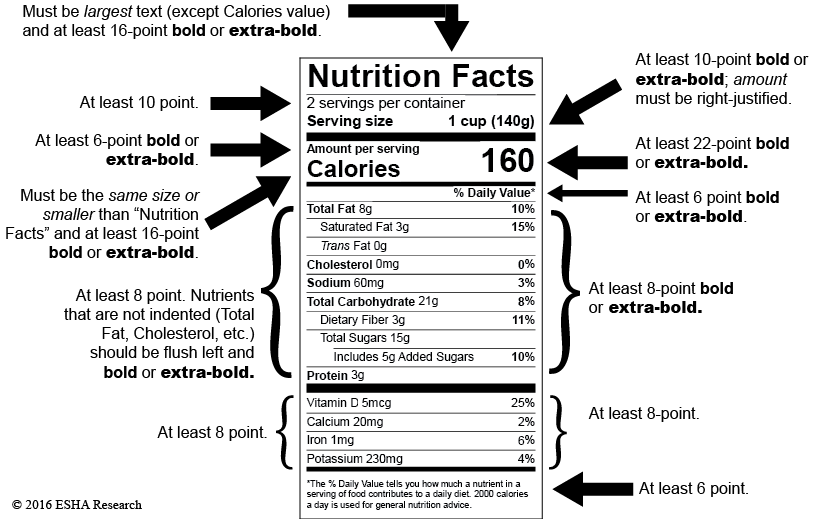
New FDA Nutrition Facts Label Font Style and Size | ESHA Research
What is considered high cholesterol on food labels? - Vigor Tip What is considered high cholesterol on food labels? The daily value for cholesterol is less than 300 mg per day. Compare and choose foods to get less than 100% DV cholesterol every day. And remember: 5% DV or less of cholesterol per serving is considered low. 20% DV or more cholesterol per serving is considered high.
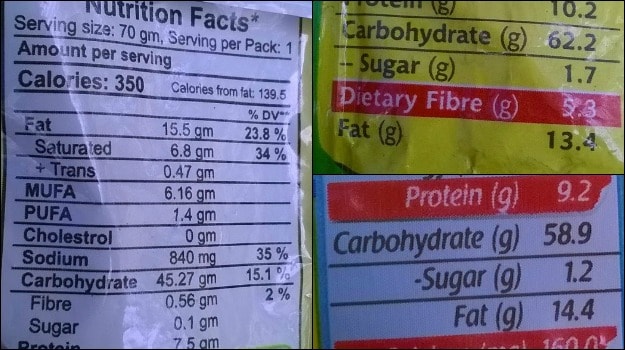
The Dark Side of Instant Noodles: What Makes Them Harmful? - NDTV Food
Reading Food Labels | ADA - American Diabetes Association Understanding Food Labels It's time to decode those food claims. Trying to figure out nutritional information on labels and packaging isn't easy. The good news is that we can help. Untangle packaging claims. If you get tripped up on food content claims, you're not alone. Fat free vs. low fat vs. reduced fat. Low cholesterol vs. reduced cholesterol.
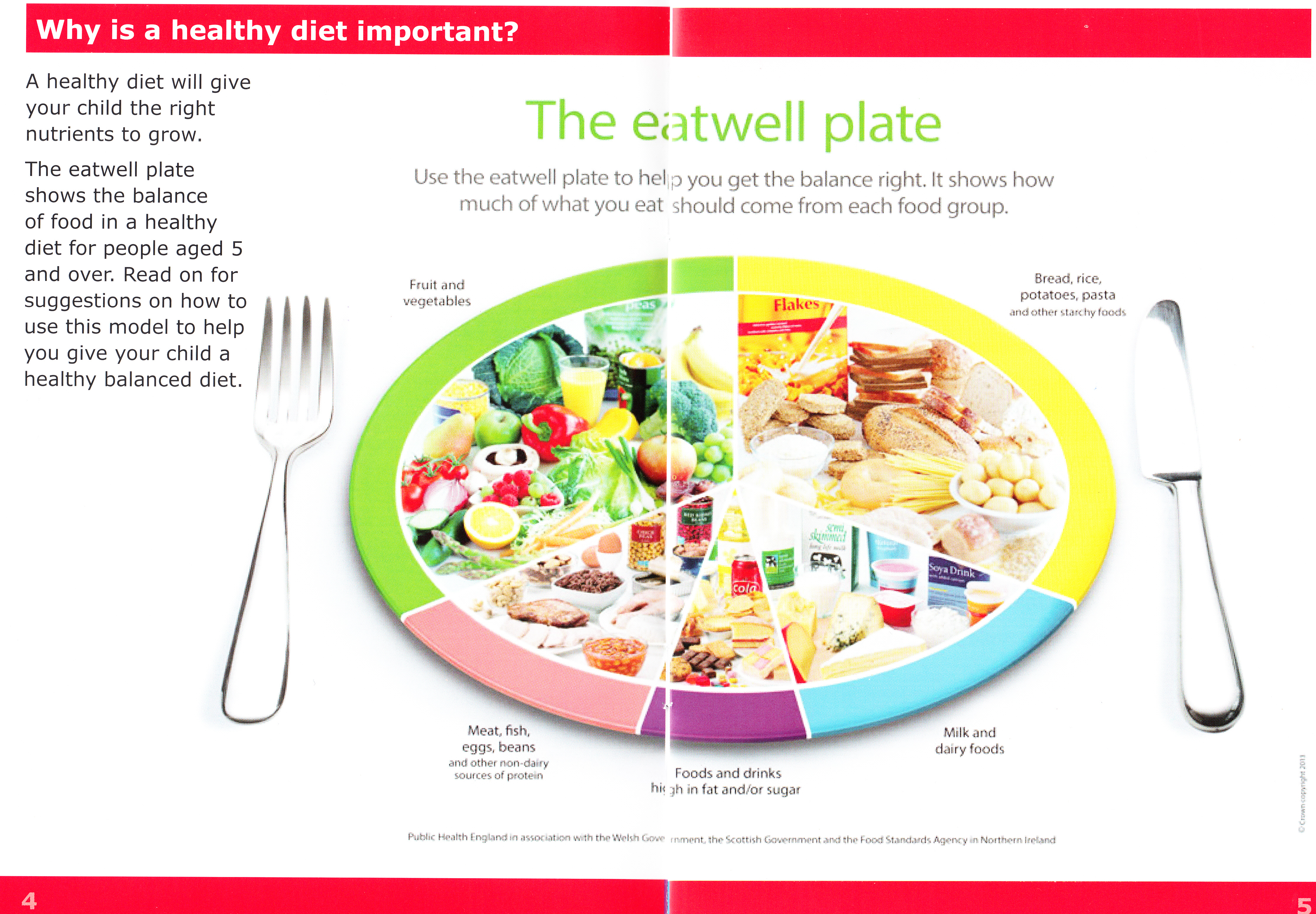
Food portion sizes for Children | The Yellow Practice
Learn About Cholesterol Free Food Labels | Chegg.com Item labels offer information, including the amount by portion, on the fats and cholesterol level of food. Choose the one with the fewest amounts of fat and cholesterol to compare the same items. Panel on 'nutrition facts': Food producers have been required since 1994 to disclose information on some nutrients of major public interest.
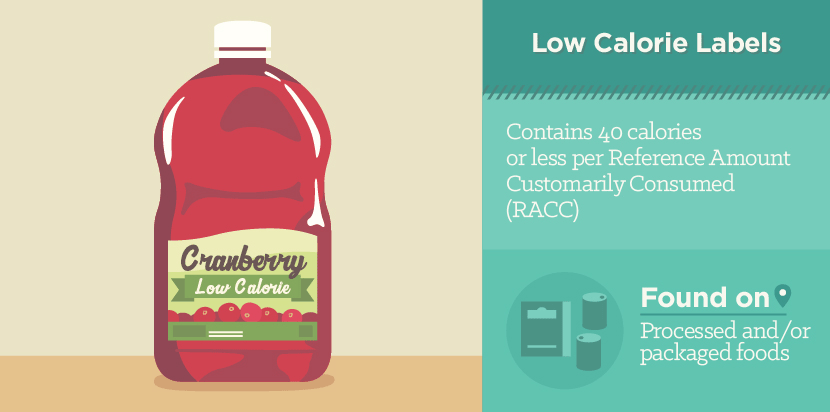
How To Decipher Grocery Labels | Care2 Healthy Living
How to Understand and Use the Nutrition Facts Label | FDA Dietary fiber, vitamin D, calcium, iron ad potassium are nutrients on the label that Americans generally do not get the recommended amount of. They are identified as nutrients to get more of....

Healing High Cholesterol | Healthier You

Food portion sizes for Children | The Yellow Practice

KMMH: May 2010

31 What Does Cholesterol Mean On A Nutrition Label - Labels Database 2020

SHAMROCK RUNNING CLUB'S BLOG: Do you REALLY know how much sugar is in your food?

Tips for Fats and Oils - Coping With Cholesterol
Super foods - making each mouthful count - Catherine Saxelby's Foodwatch
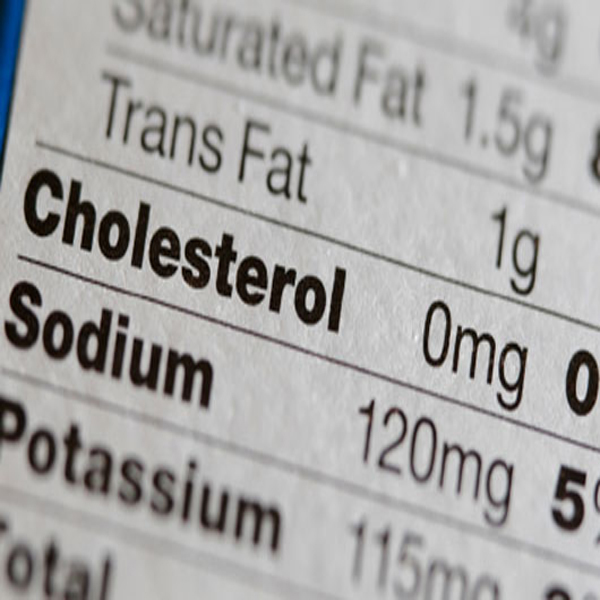
Ways to boost good cholesterol - DIY Health | Do It Yourself Health Guide by Dr Prem

DIET REMEDIES FOR ANKYLOSING SPONDYLITIS - Natural Fitness Tips
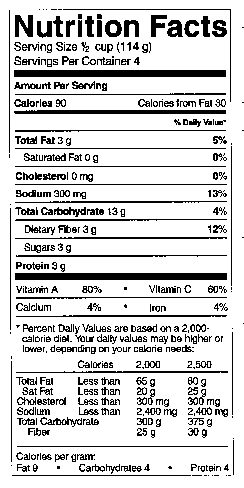
33 Cholesterol In Nutrition Label - Labels 2021

The Best Printable Low Cholesterol Food List | Regina Blog

11 Foods and Two Beverages that lower Cholesterol – Life Ionizers
Post a Comment for "41 cholesterol on food labels"