44 is country of origin required on food labels
Country of Origin Requirements in the United States: An Overview Country of origin labeling is mandatory for all consumer products imported and sold in the United States. Country of origin labeling is often as straightforward as printing a 'Made in [INSERT COUNTRY]' on the product and its packaging. That being said, there are exemptions for some products, and it's sometimes not that simple to determine ... Must processed food products have a country of origin label? - USDA Must processed food products have a country of origin label? Jul 17, 2019 Knowledge Article Retail items that meet the definition of a processed food item do not require labeling under the COOL final rule. For more information, visit Common Questions & Answers on Country of Origin Labeling. Live chat:
Country of origin food labelling | business.gov.au Country of origin labelling is not required on the following food products: foods not for human consumption (for example, pet food) foods sold in restaurants, cafes, take-away shops or schools foods sold at fundraisers foods sold from the same premises in which they have been made and packed.

Is country of origin required on food labels
Country of Origin Labeling of Agricultural Products While the COOL law contains an expressed exclusion for an ingredient in a processed food item, many imported items still must be labeled with country of origin information under the Tariff Act of 1930. Items that are imported in consumer-ready packages also are required to be labeled with country of origin information. The long, tangled story behind country-of-origin labels For example, country-of-origin labeling is required on food products including the muscle cuts of lamb and chicken, wild and farm-raised fish, and fresh and frozen fruits and vegetables, according ... Country of Origin Labels | Supermarket Labels | 1-800-882-5104 Country of Origin labeling is a consumer labeling law that requires the country of origin be listed on specific food product labels. As the list grows, order your country of origin labels. This is more economical than redesigning your product label. Research this website to see what foods require this type of labeling: Labeling FAQ. View our backorder policy.
Is country of origin required on food labels. Regulation of the U.S. Food Processing Sector — Food Law The U.S. food processing sector is extensively regulated by state and federal agencies. Federal agencies dominate the regulatory oversight: USDA FSIS for the meat and poultry processing businesses and FDA for all other food processing businesses. State agencies also have an active role in overseeing food processing businesses within their respective states, but their role is in … Country of Origin Labeling - LBS RCS.COM Country of Origin Labeling (COOL) of the United States Department of Agriculture (USDA) is a mandatory labeling law that requires retailers, such as full-line grocery stores, supermarkets and club warehouse stores, to notify their customers with information regarding the source of certain foods. Food products covered by the law include muscle ... › createJoin LiveJournal Password requirements: 6 to 30 characters long; ASCII characters only (characters found on a standard US keyboard); must contain at least 4 different symbols; Country of origin labelling for food products - Canadian Food ... The new FDR requirements are available in the Industry Labelling Tool. Food businesses have a transition period to meet them, during which they must comply with either the former or the new requirements. In Canada, there are mandatory requirements for certain food products to indicate the country of origin on their labels.
Country of origin claims | ACCC - Australian Competition and Consumer ... Most of the foods you buy need to display country of origin labels. Look out for these labels on food packages or in-store signage. Different labelling requirements apply depending on: whether the food is grown, produced, made or packed in Australia or another country; whether the food is a 'priority' or 'non-priority' food Consumers overwhelmingly want country of origin labeling A new poll conducted on behalf of the Coalition for a Prosperous America (CPA) finds that 86% of Americans favor reinstatement of Country-of-Origin Labeling (COOL) for beef and pork. Food labelling: country of origin - GOV.UK If all these activities took place in a single country, the label 'Origin: [name of country]' is acceptable. For the GB market, 'United Kingdom' is the origin label for beef and veal from both GB... Country of origin food labelling | ACCC A visual style guide is available to assist businesses to correctly design and display their country of origin food labels as required by the Standard: Three component standard mark - a graphic and text-based label which is mandatory for priority food items grown, produced or made in Australia. The label includes:
Country of Origin Marking - U.S. Customs and Border Protection Additional products are exempt from country of origin marking requirements, but Canada, Mexico and the United States may require that their outermost usual containers be marked to indicate the country of origin of the goods they contain. These include a Canadian, Mexican or U.S. good that: is incapable of being marked; en.wikipedia.org › wiki › Country_of_originCountry of origin - Wikipedia The Mandatory country-of-origin labeling of food sold in the United States (mCOL) rule was defeated by Canada at the WTO in 2014–2015. CO marketing. Companies may indicate the origin of their products with a number of different marketing strategies: Use of the phrase "Made in..." Use of quality and origin labels; CO embedded in the company name Food labelling FAQs | ACCC On 1 July 2016, a new country of origin food labelling system commenced under the Australian Consumer Law (ACL). Businesses will have two years to sell current stock and change their labels to comply with the new law before it becomes mandatory on 1 July 2018. Mandatory country-of-origin labeling (US) - Wikipedia Country of origin labeling (COOL) (or mCOOL [ m for mandatory]) is a requirement signed into American law under Title X of the Farm Security and Rural Investment Act of 2002 (also known as the 2002 Farm Bill), codified at 7 U.S.C. § 1638a as Notice of country of origin.
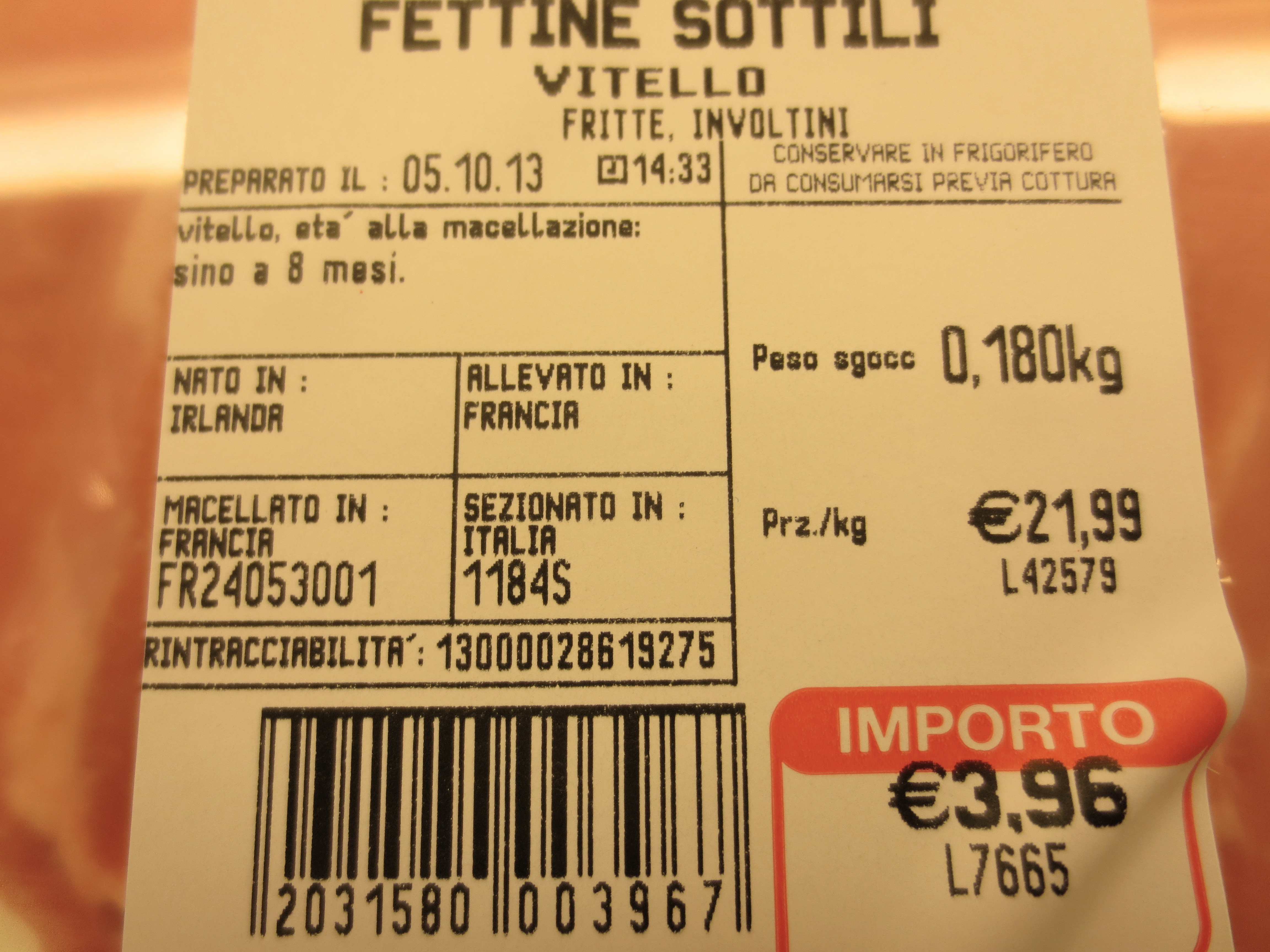
Country of Origin Labeling in Europe - Meat Science
Food labelling: giving food information to consumers - GOV.UK Apr 27, 2015 · Added related guides on Labelling loose food, Naming food products Country of Origin information for meat and fish, Meat Products: sell them legally in England. 26 October 2016 Removed definition ...
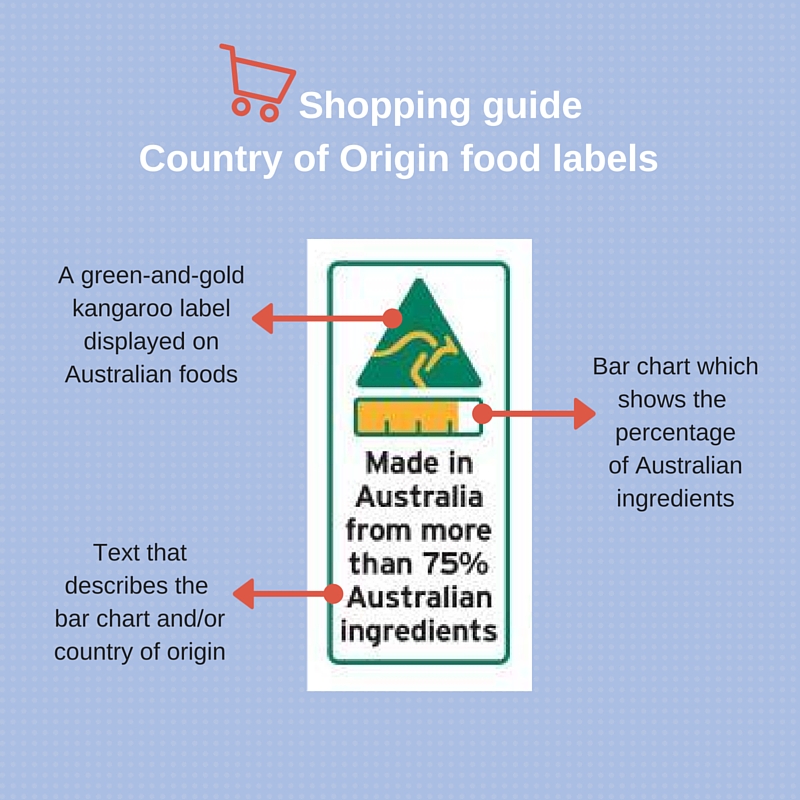
Country of Origin' food labelling - Healthy Kids
Food labelling and packaging: Food labelling - what you must show - GOV.UK the name of the food; a ‘best before’ or ‘use by’ date; any necessary warnings; net quantity information; a list of ingredients (if there is more than 1) the country or place of origin, if ...

Meat Labeling Rules May Change | Earth Eats: Real Food, Green ...
business.gov.au › Products-and-services › ProductCountry of origin food labelling resources | business.gov.au May 21, 2021 · The specific origin label required for your food product will be determined by whether it: is a priority or non-priority food; was grown, produced, made or packed in Australia. There are two types of origin label: the standard mark; a country of origin statement.
France will trial mandatory country of origin labelling for ...
Country of origin food labelling resources | business.gov.au May 21, 2021 · The specific origin label required for your food product will be determined by whether it: is a priority or non-priority food; was grown, produced, made or packed in Australia. There are two types of origin label: the standard mark; a country of origin statement.
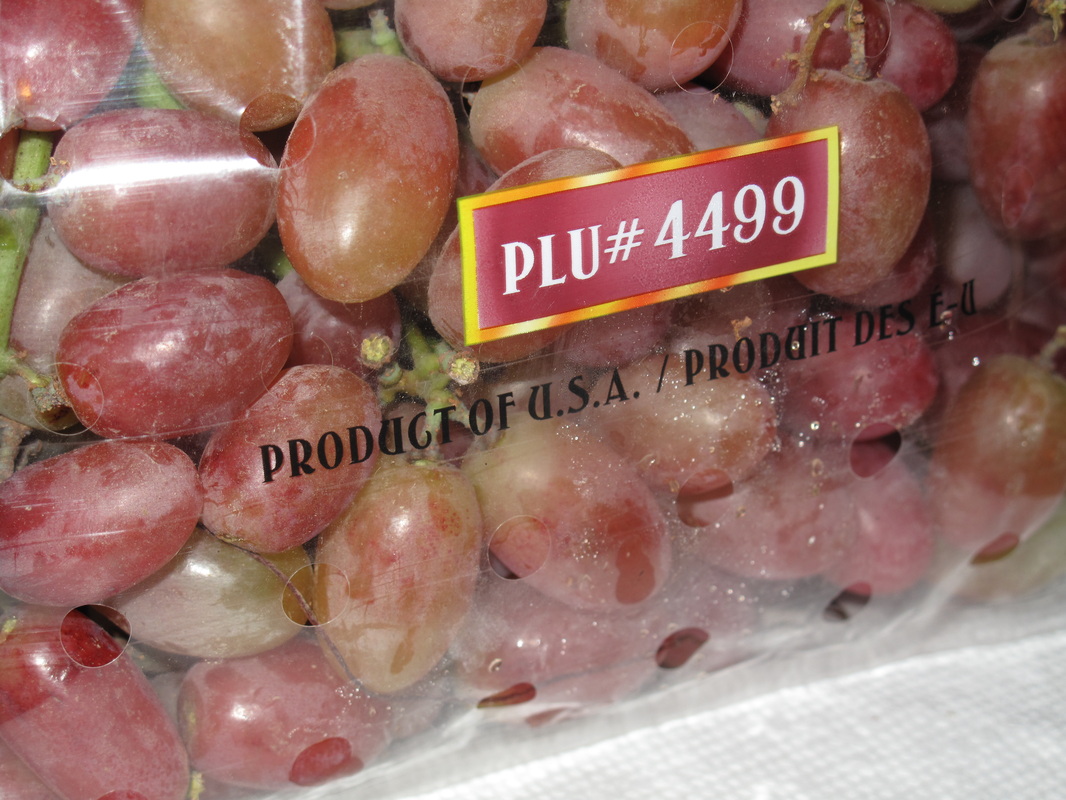
GoingTrueGreen's Blog Postings - Going True Green
Amazon.com: Chef's Path Airtight Food Storage Container Set Special offers and product promotions . GET HUGE DISCOUNT OF UPTO 30% ON MORE PURCHASES See more products in this promotion; Save 5% on Set of 12 Premium Tall Food Containers when you purchase 1 or more Food Storage Containers by Chef's Path offered by Chef's Path. Here's how (restrictions apply) ; Save 10% on Set of Premium Baking Set …
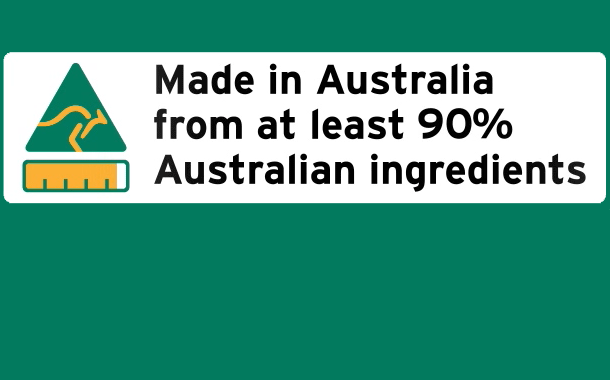
Australia launches new country of origin food labelling ...
Marking of Country of Origin on U.S. Imports Every article of foreign origin entering the United States must be legibly marked with the English name of the country of origin unless an exception from marking is provided for in the law. SPECIAL NOTE: This webpage is strictly about marking of country of origin on U.S. imports and is for general information purposes only.
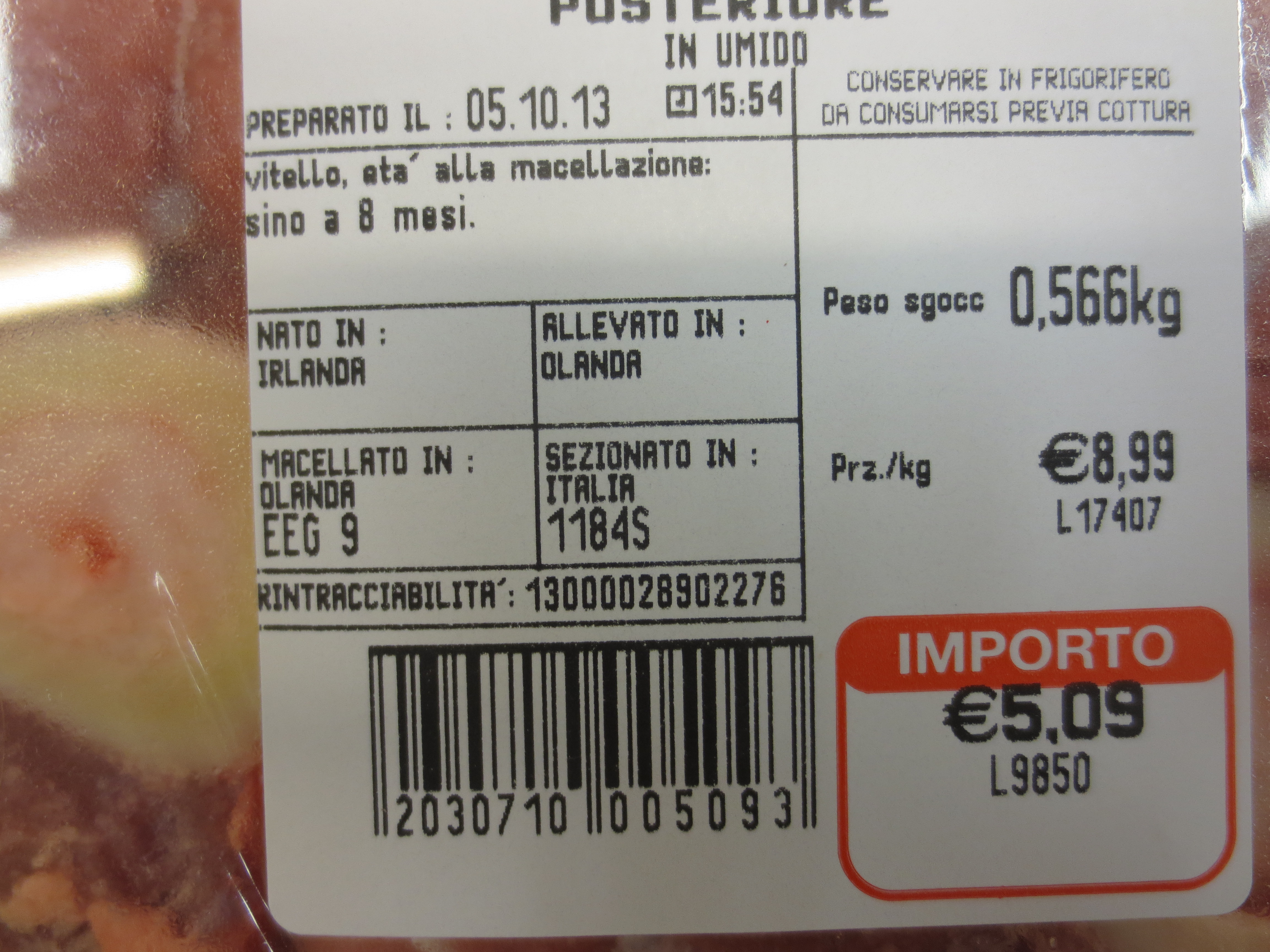
Country of Origin Labeling in Europe - Meat Science
CPG Sec. 560.200 Country of Origin Labeling - Food and Drug Administration CPG Sec. 560.200 Country of Origin Labeling BACKGROUND: A statement of the country of origin on the labeling of imported foods is not required by the Federal Food, Drug, & Cosmetic Act. This is a...

Country of Origin Food Labelling Style Guide
Country of Origin Labeling (COOL) | Agricultural Marketing Service Country of Origin Labeling (COOL) is a labeling law that requires retailers, such as full-line grocery stores, supermarkets and club warehouse stores, to notify their customers with information regarding the source of certain foods. ... Food products covered by the law include muscle cut and ground meats: lamb, goat, and chicken; wild and farm ...
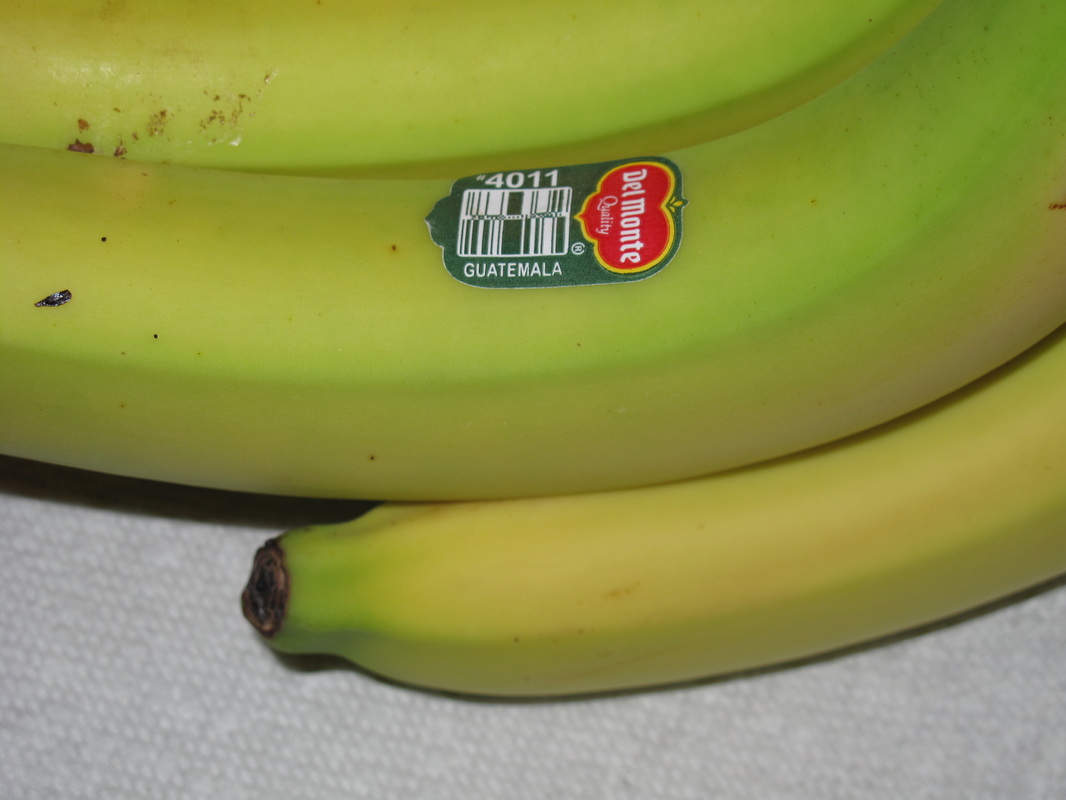
GoingTrueGreen's Blog Postings - Going True Green
Is country of origin required on labels? - Curvesandchaos.com Is country of origin required on labels? Country of origin labeling is mandatory for all consumer products imported and sold in the United States. Country of origin labeling is often as straightforward as printing a 'Made in [INSERT COUNTRY]' on the product and its packaging. What is FTC labeling requirements?
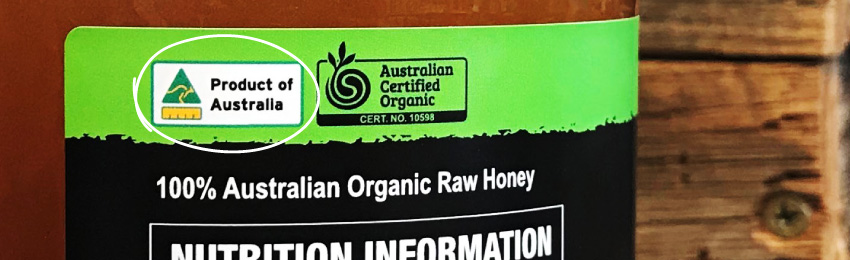
Australian Country Of Origin Food Label Standards [Quick ...
Which foods are covered in the country of origin labeling law? - USDA Foods that must be labeled with their country of origin are: 1. Muscle cuts of beef (including veal), lamb, pork, goat, and chicken; 2. Ground beef, ground lamb, ground pork, ground goat, and ground chicken; 3. Wild and farm-raised fish and shellfish; 4. Perishable agricultural commodities (fresh and frozen fruits and vegetables); 5.
USDA announces it will revisit country of origin labeling ...
Packaging, Labeling, Transporting, Storing — Food Law Nutrition label is required on most, but not on all, products; examples of exceptions: ... 2006, the Food and Drug Administration (FDA) is requiring food labels to clearly state if food products contain any ingredients that contain protein derived from the eight major allergenic foods." excerpt from FDA. ... Country of Origin Labeling "Country ...
Mandatory country-of-origin labeling for meat goes into ...
› rules-regulations › coolCountry of Origin Labeling (COOL) | Agricultural Marketing ... January 13, 2017 - Addition of Mandatory Country of Origin Labeling Requirements for Venison; February 2016 Final Rule - Removal of Mandatory Country of Origin Labeling Requirements for Beef and Pork Muscle Cuts, Ground Beef, and Ground Pork (pdf) FAQs: Repeal of COOL Requirements for Beef and Pork (pdf) May 2013 Final Rule to Amend Meat Labeling

Food origin label: EU countries steer Commission toward ...
› rules-regulations › coolCountry of Origin Labeling (COOL) Frequently Asked Questions What is COOL? Country of Origin Labeling (COOL) is a consumer labeling law that requires retailers (most grocery stores and supermarkets) to identify the country of origin on certain foods referred to as “covered commodities”. The 2002 and 2008 Farm Bills and the 2016 Consolidated Appropriations Act amended the Agricultural Marketing Act of 1946 to require retailers to notify their ...

US Groups Square Off Over Country Of Origin Labels | Earth ...
abcnews.go.com › healthHealth News | Latest Medical, Nutrition, Fitness News - ABC ... Sep 07, 2022 · Get the latest health news, diet & fitness information, medical research, health care trends and health issues that affect you and your family on ABCNews.com

Food Standards Agency finds no country of origin slip-ups
Country of origin on food labels - Canadian Food Inspection Agency Country of origin on food labels. In Canada, there are mandatory requirements for certain food products to indicate the foreign state (definition) of origin on their labels. Although foreign states include countries as well as World Trade Organization (WTO) members, the Industry Labelling Tool commonly refers to this requirement as country of origin labelling.
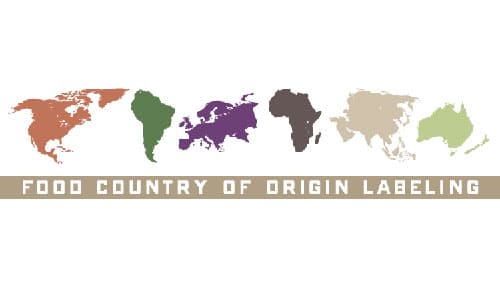
Country of Origin Food Labeling | Jenn David Design
Japan - Labeling/Marking Requirements - International Trade … Jan 08, 2022 · While importers are not required to affix a label to fresh foods such as grapefruit or oranges, the retailer is required to display country of origin near the product. To ensure that a given product meets all applicable requirements and is properly labeled, the U.S. exporter should work with a Japanese agent or importer.

Is country of origin labelling a question of sustainability?
› food-labelsFood labels - Better Health Channel Country of origin on food labels. Since 1 July 2018, country of origin labelling has fallen under the Australian Consumer Law rather than FSANZ. Under this law, most foods and drinks for retail sale must show country of origin details on their labels or on in-store packaging.
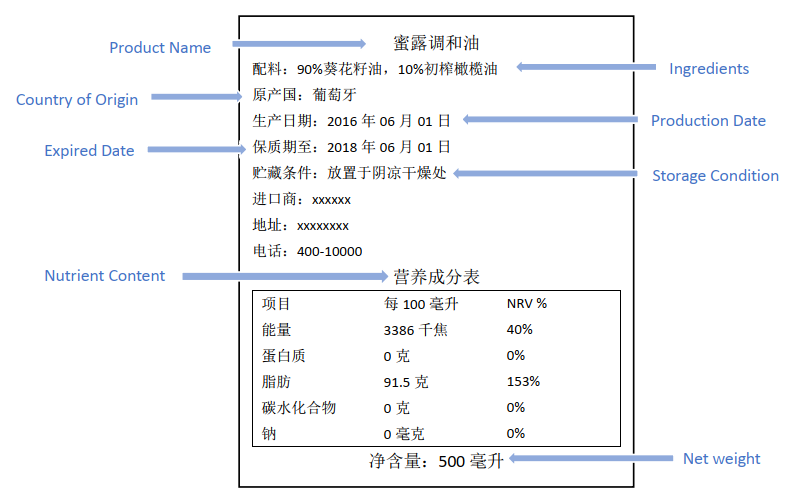
Label Review and Translation of Prepackaged Food - Regulatory ...
Country of Origin Labels | Supermarket Labels | 1-800-882-5104 Country of Origin labeling is a consumer labeling law that requires the country of origin be listed on specific food product labels. As the list grows, order your country of origin labels. This is more economical than redesigning your product label. Research this website to see what foods require this type of labeling: Labeling FAQ. View our backorder policy.

Around the world in numerous food labeling ways
The long, tangled story behind country-of-origin labels For example, country-of-origin labeling is required on food products including the muscle cuts of lamb and chicken, wild and farm-raised fish, and fresh and frozen fruits and vegetables, according ...
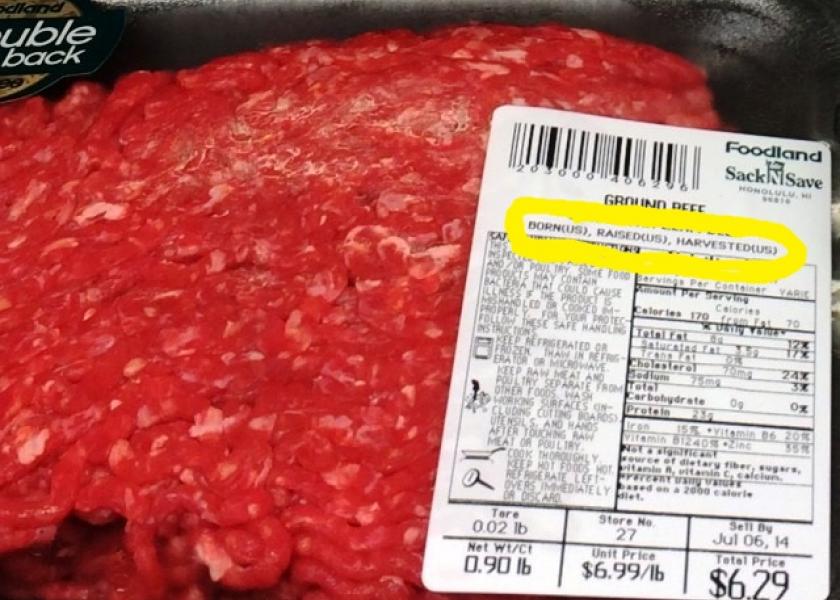
WTO says Country-of-Origin Labeling Isn't COOL | Pork Business
Country of Origin Labeling of Agricultural Products While the COOL law contains an expressed exclusion for an ingredient in a processed food item, many imported items still must be labeled with country of origin information under the Tariff Act of 1930. Items that are imported in consumer-ready packages also are required to be labeled with country of origin information.

US FDA labeling requirements for food - FDABasics
Country of Origin Food Labeling | Jenn David Design
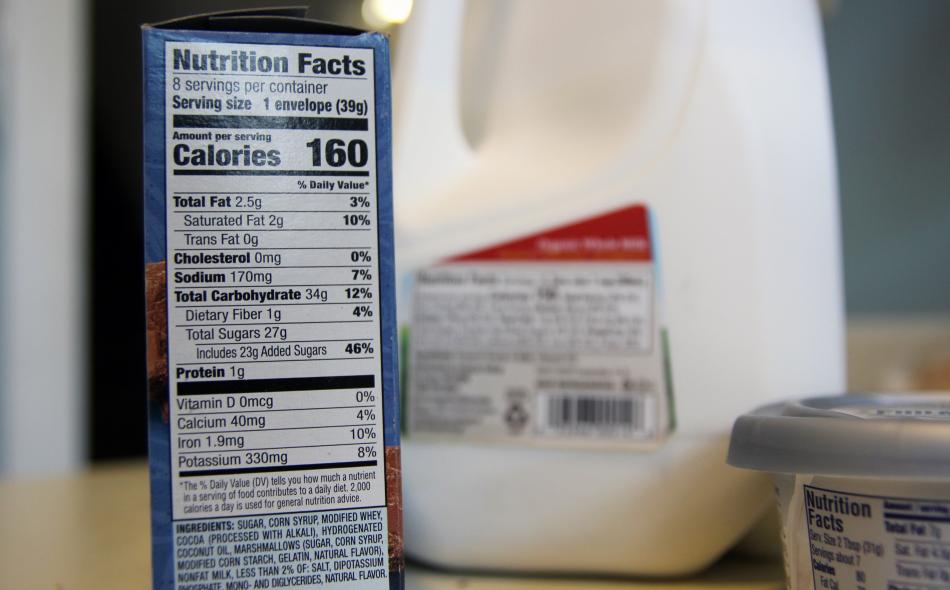
New NAFTA limits labeling for food and workplace chemicals | IATP
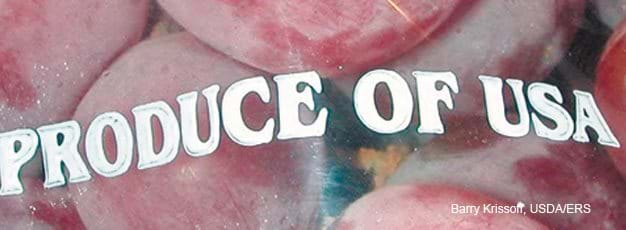
USDA ERS - Mandatory Country-of-Origin Labeling: Will It ...

Country of Origin labelling – how to get it right - Food ...
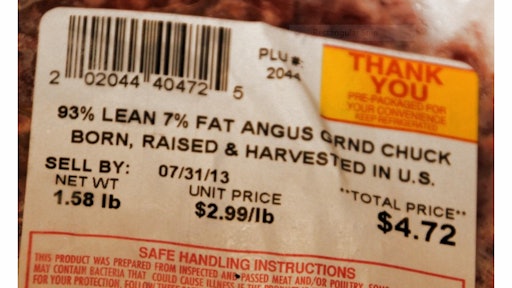
WTO Rejects U.S. Appeal Of Country Of Origin Label Rule On ...

Nutrition facts label - Wikipedia
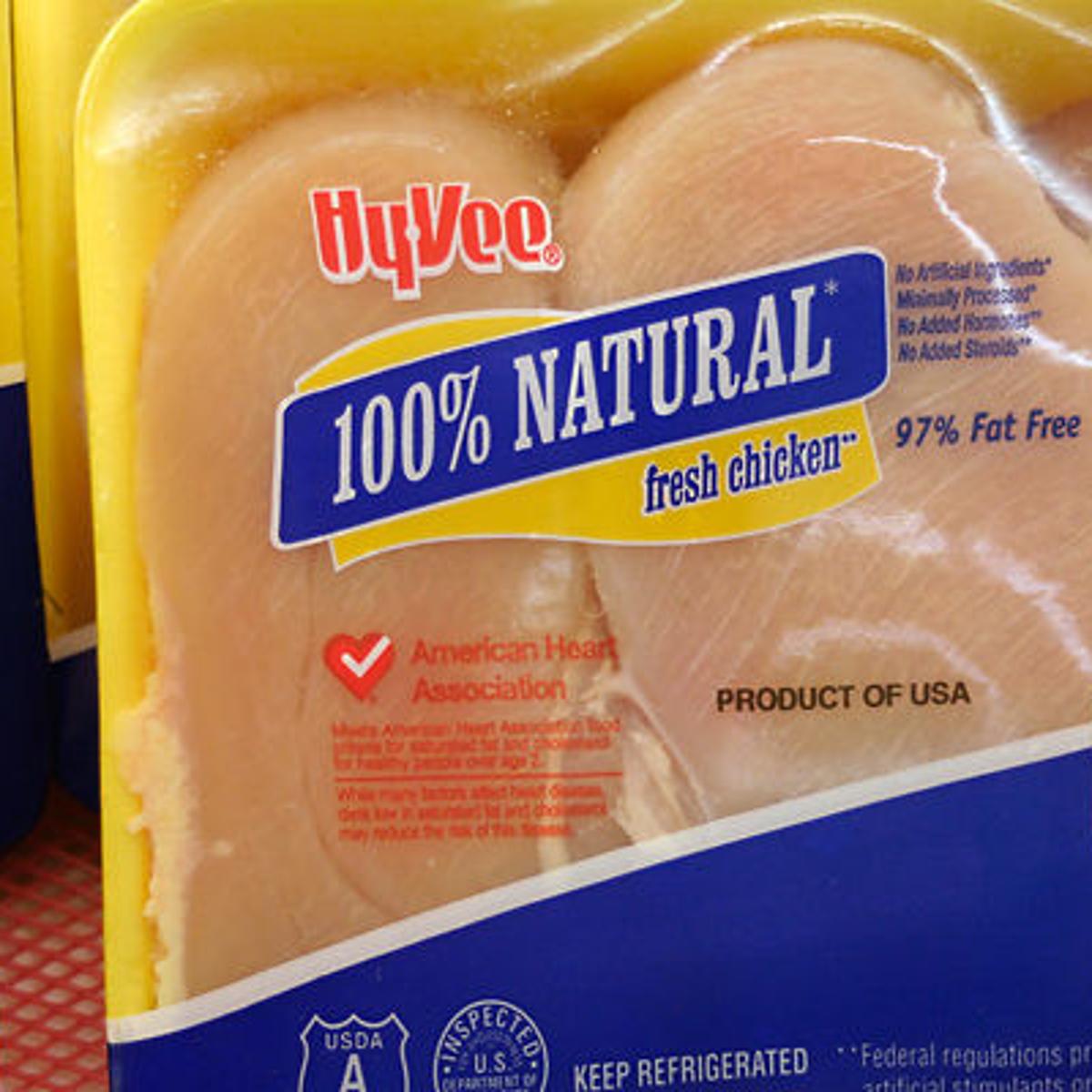
Country of Origin labels hit the produce aisle and meat ...

Will Trump Revive COOL and Make American Meat Great Again ...

Food Labels With Country Of Origin by Ikon Images

Wrapped in the Flag: Food Choice and Country of Origin ...

Blogthe Usda Investigates Confusion Around Product Of Usa ...
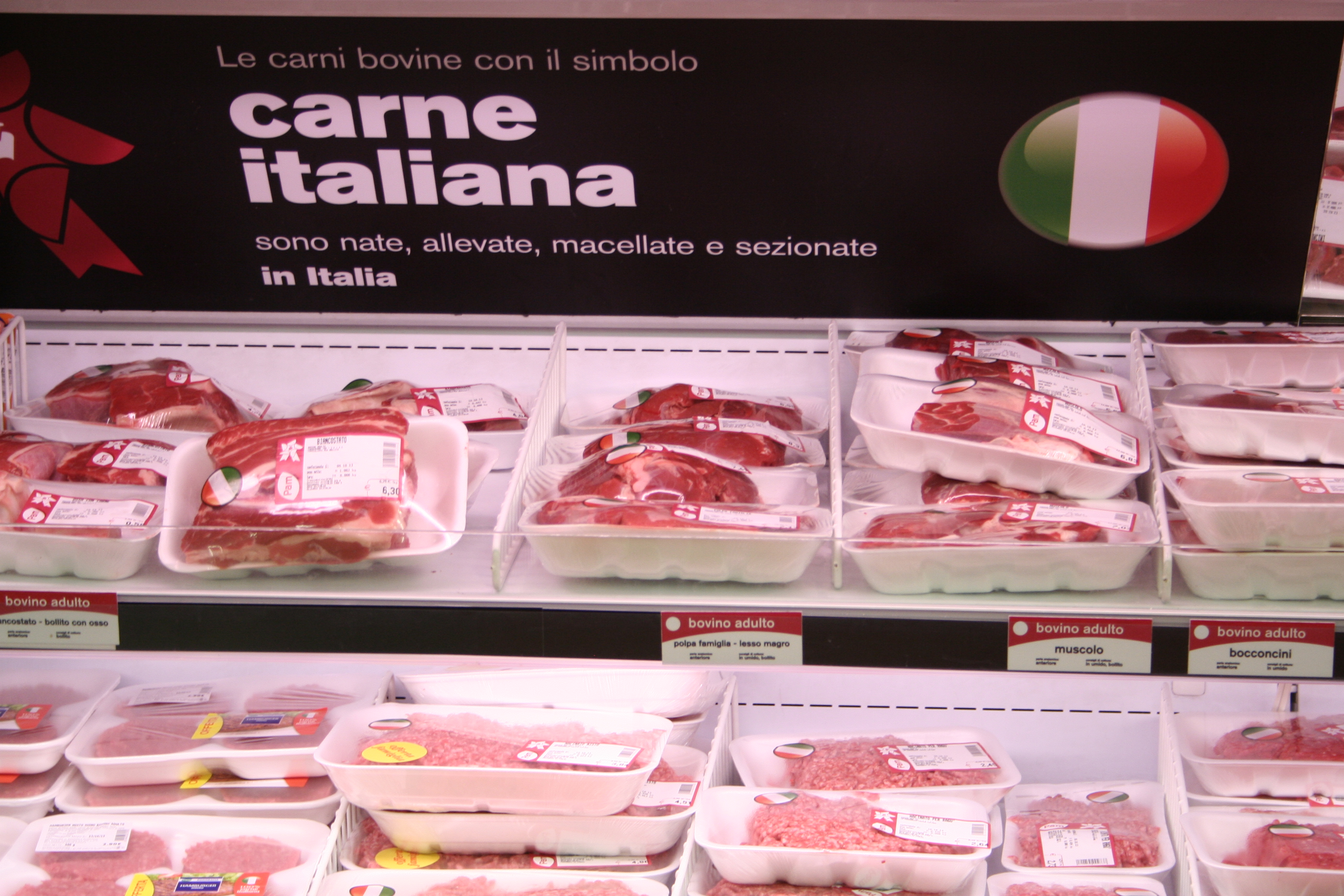
Country of Origin Labeling in Europe - Meat Science
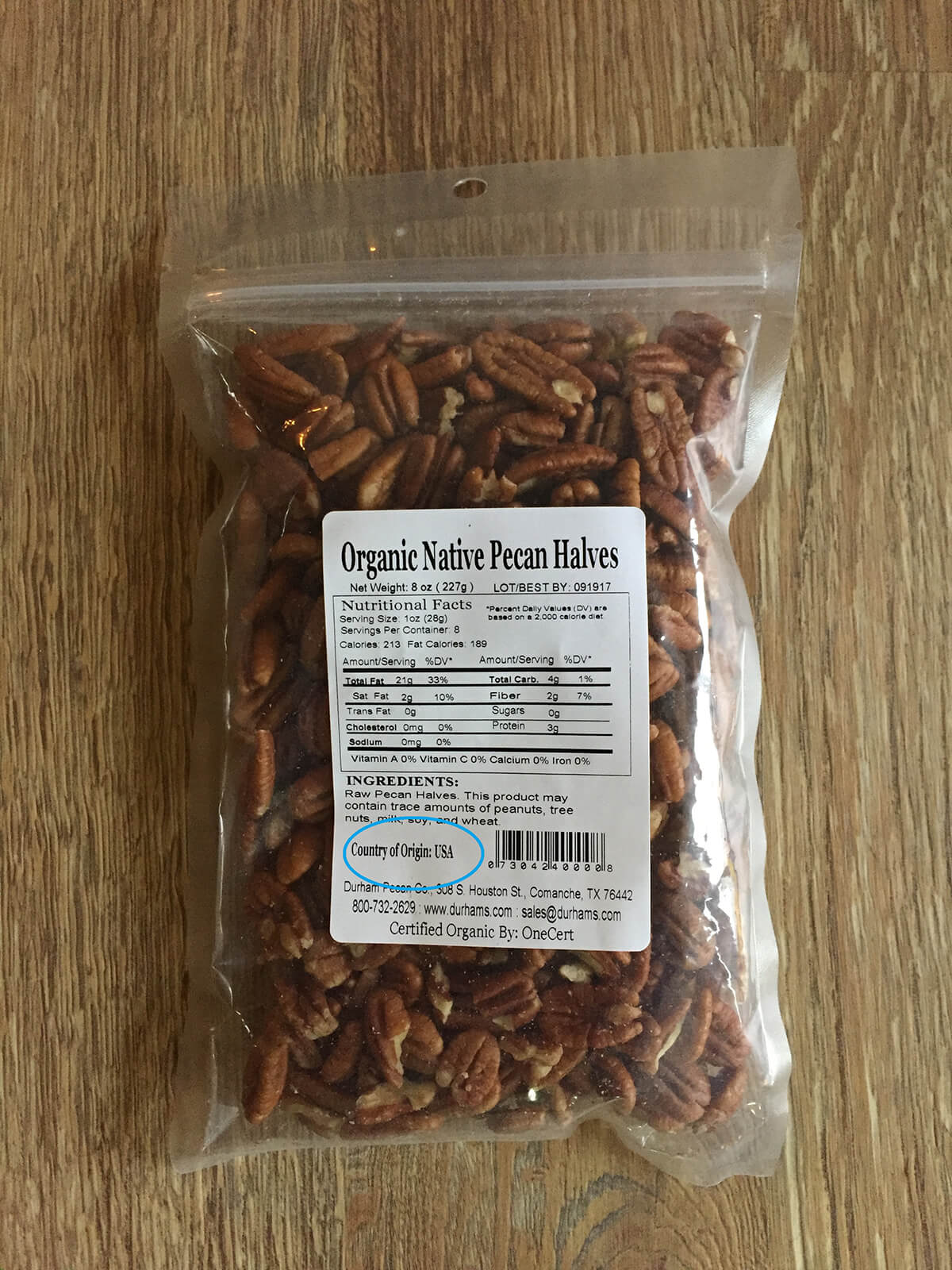
Demystify Food Labels – RecycleNation

Country of origin food labels start appearing in stores
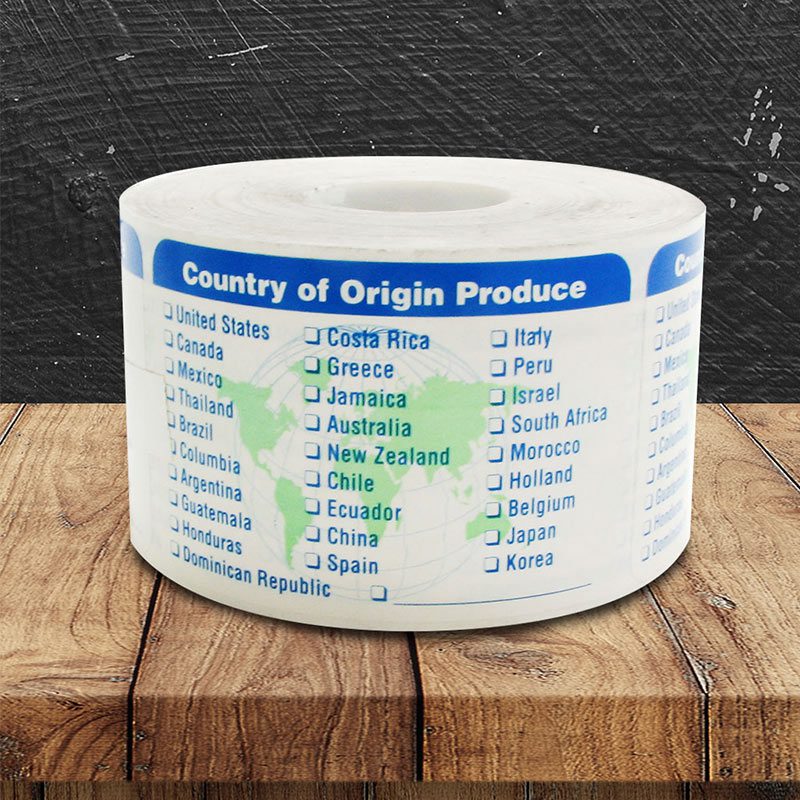
Country Of Origin Produce Label - 1 roll of 500 (500570)
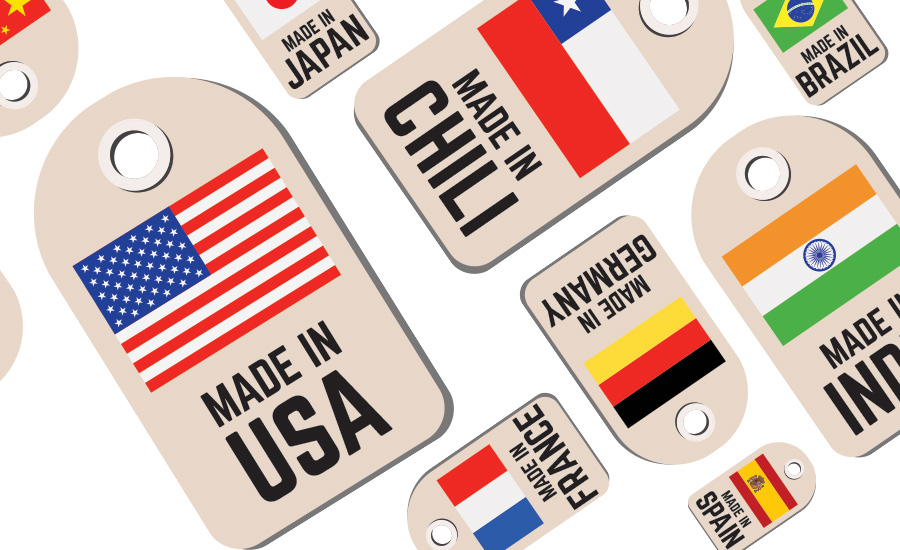
Country of Origin Food Labeling | 2018-06-20 | BRANDPACKAGING ...

A Brief History and Overview of Country of Origin Labeling ...
Best (act) Before' Australian Country of Origin food ...
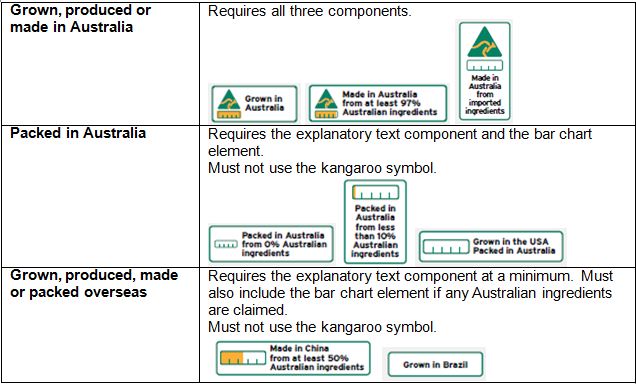
Jumping into the new country of origin food labelling ...
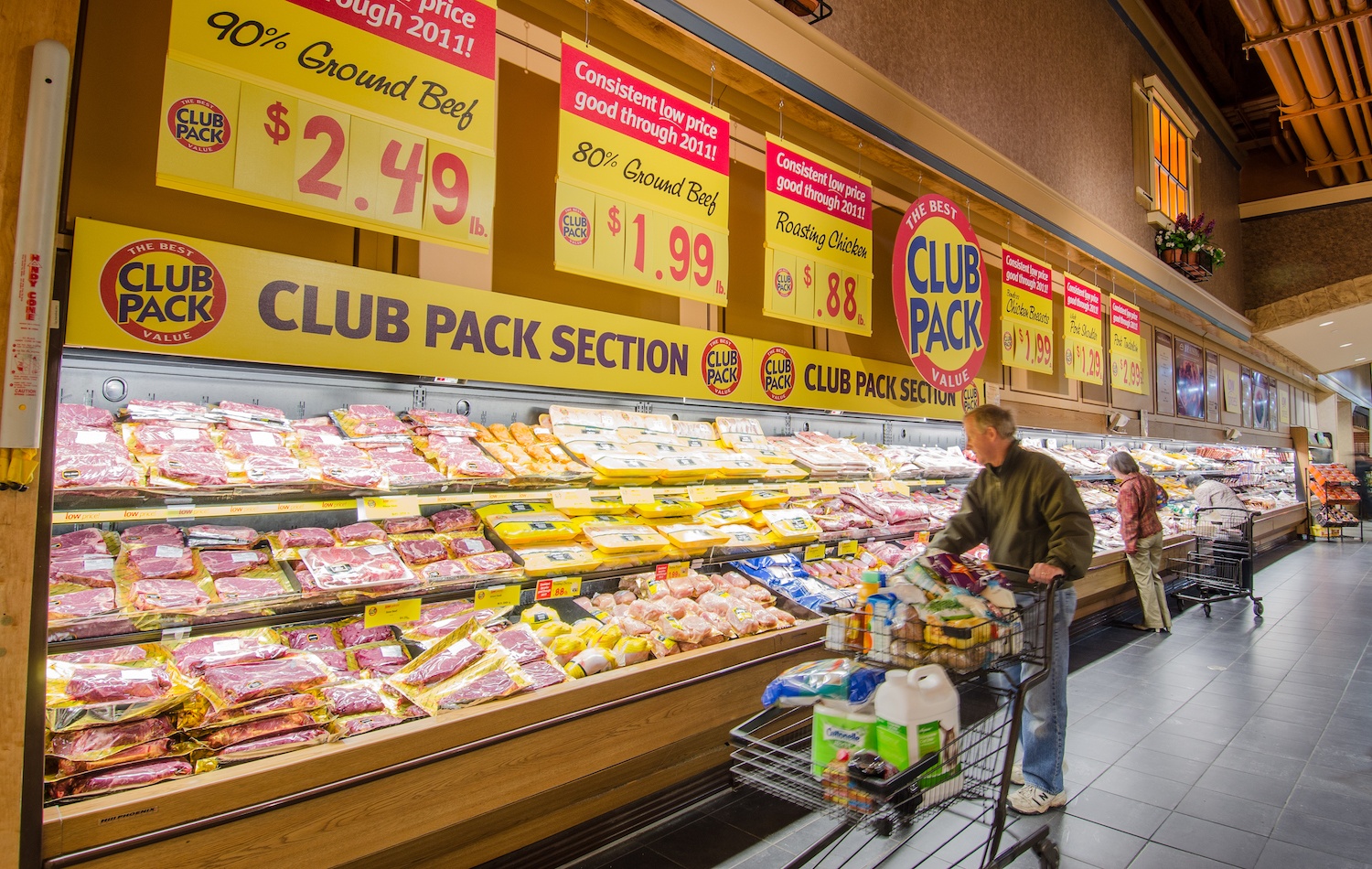
USDA announces it will revisit country of origin labeling ...
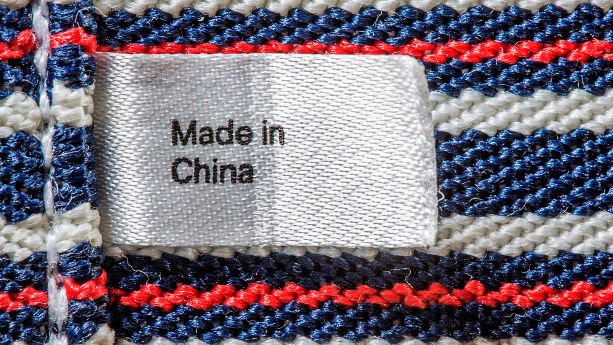
Country of Origin Requirements in the United States: An Overview

Mandatory food labeling a problem for Illinois-Canada trade
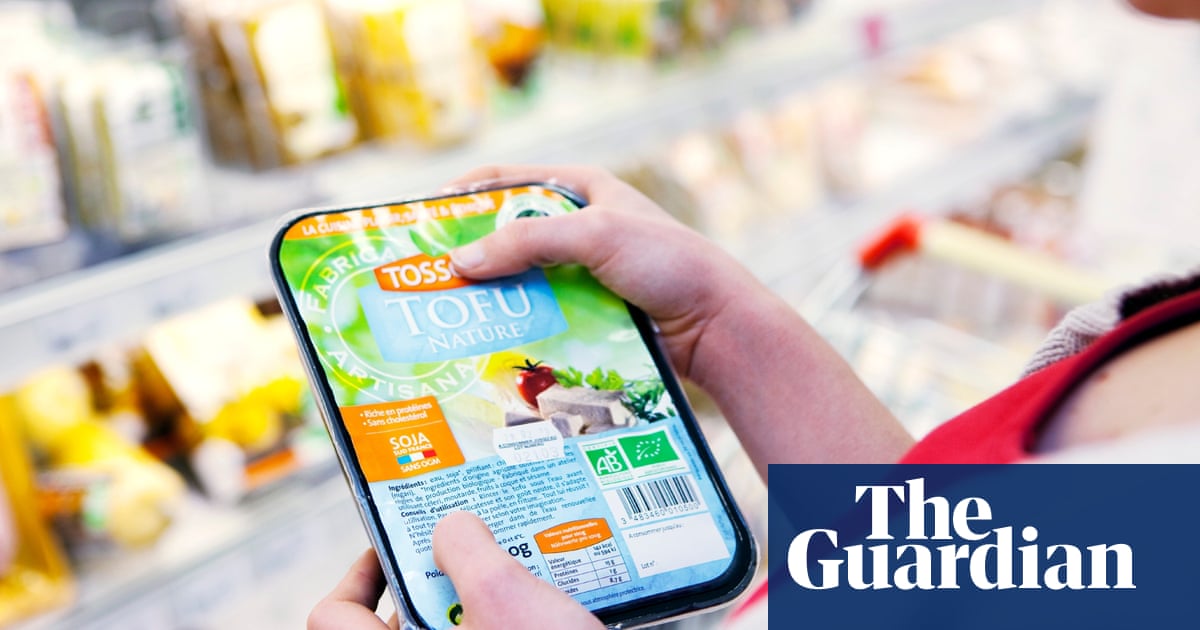
Differences between EU and US nutrition labels go far beyond ...
Post a Comment for "44 is country of origin required on food labels"